Licensed, Low-Drift Agricultural Drone Services
Choosing the wrong crop spraying method can result in drift damage, uneven coverage, wasted chemicals, and missed application windows. Traditional ground rigs and manned aircraft still have a place, but they also introduce limitations that impact precision and timing.
This comparison breaks down drone spraying vs aerial spraying vs ground spraying so you can see how each method performs in real field conditions and choose the option that best protects your crops, land, and input investment.
Key differences across spraying methods include:
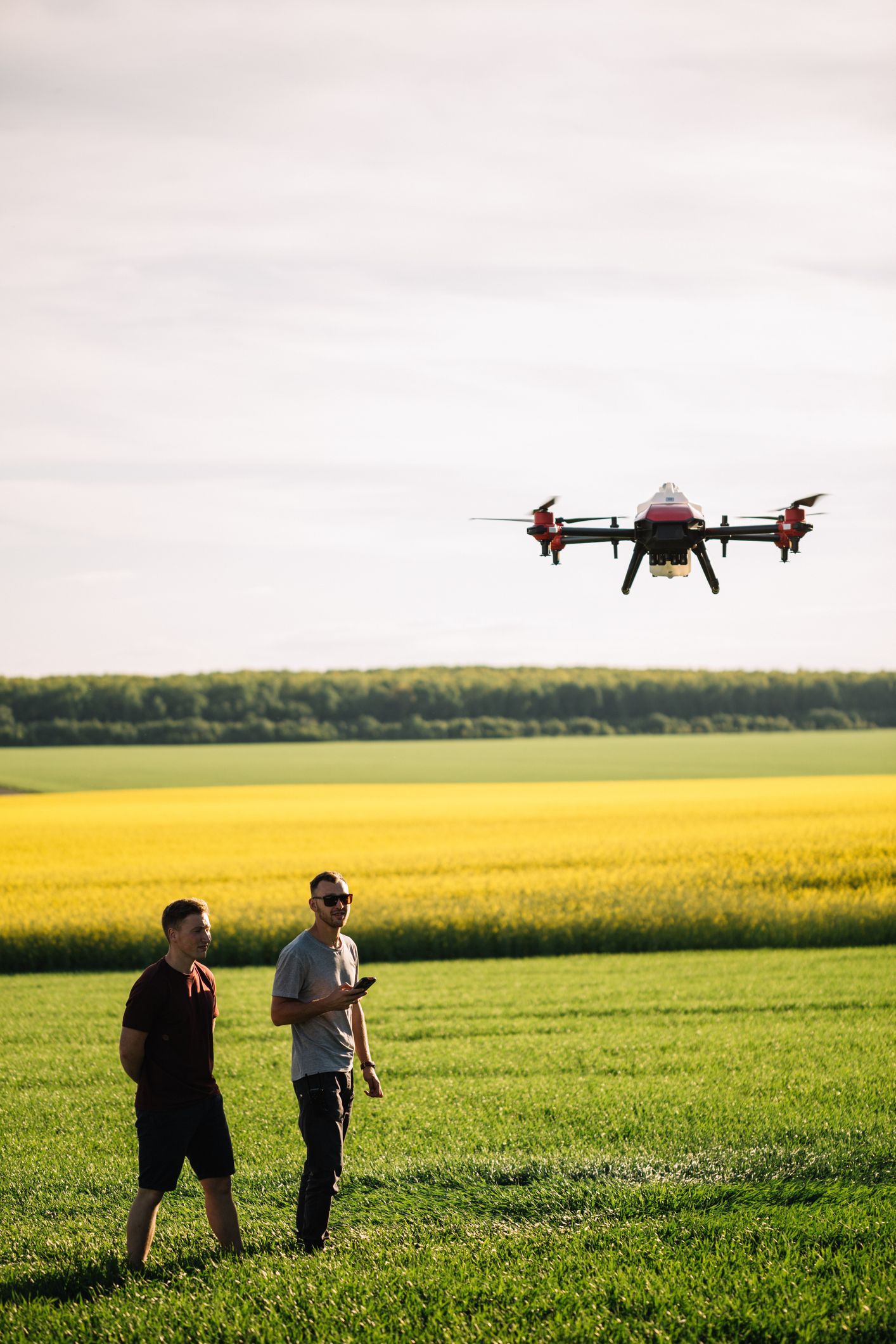
Modern agriculture relies on three primary spraying methods. Each approach differs in how it applies product, manages drift, and adapts to field conditions.
Understanding these differences is essential before comparing accuracy, safety, and efficiency across spraying methods.
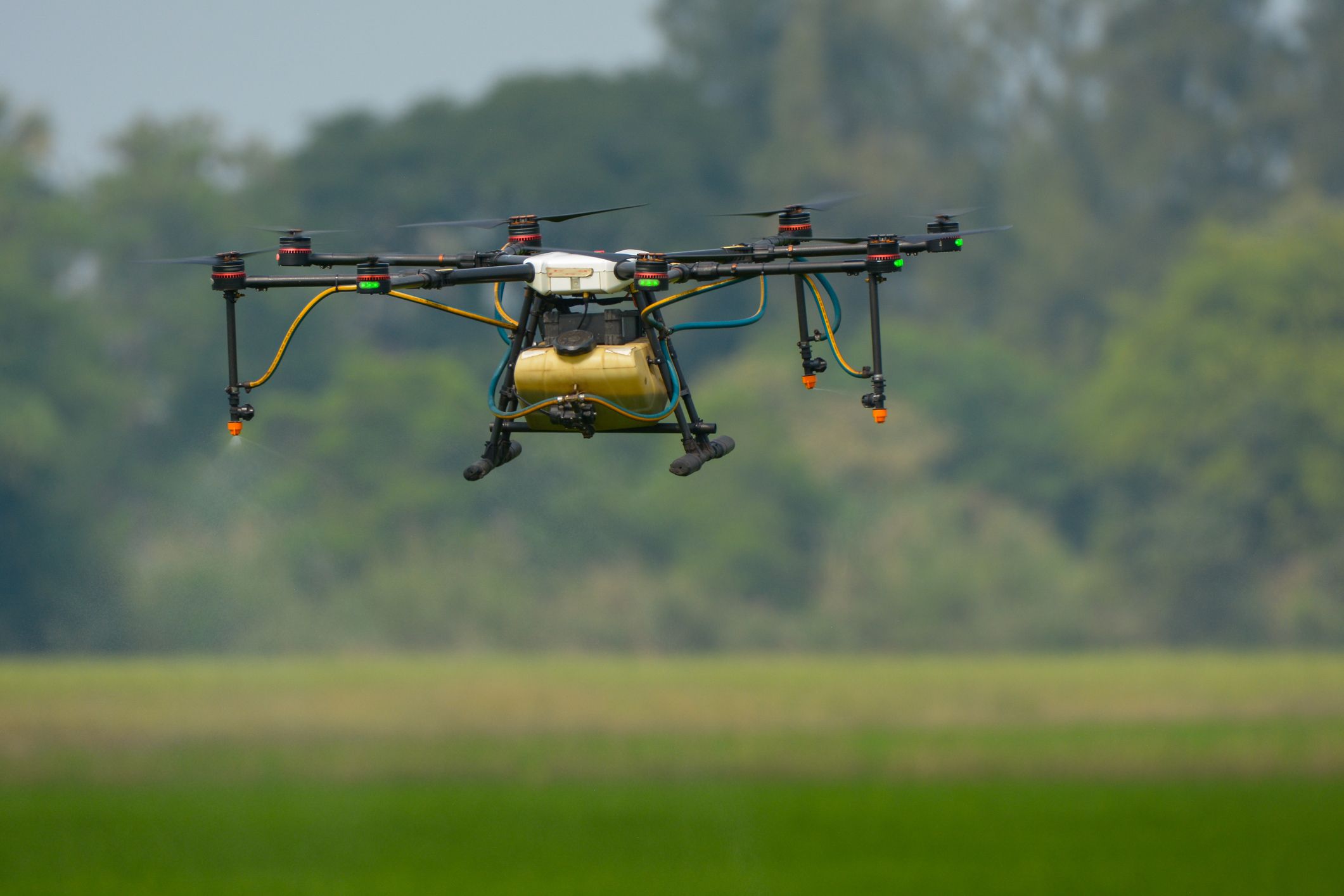
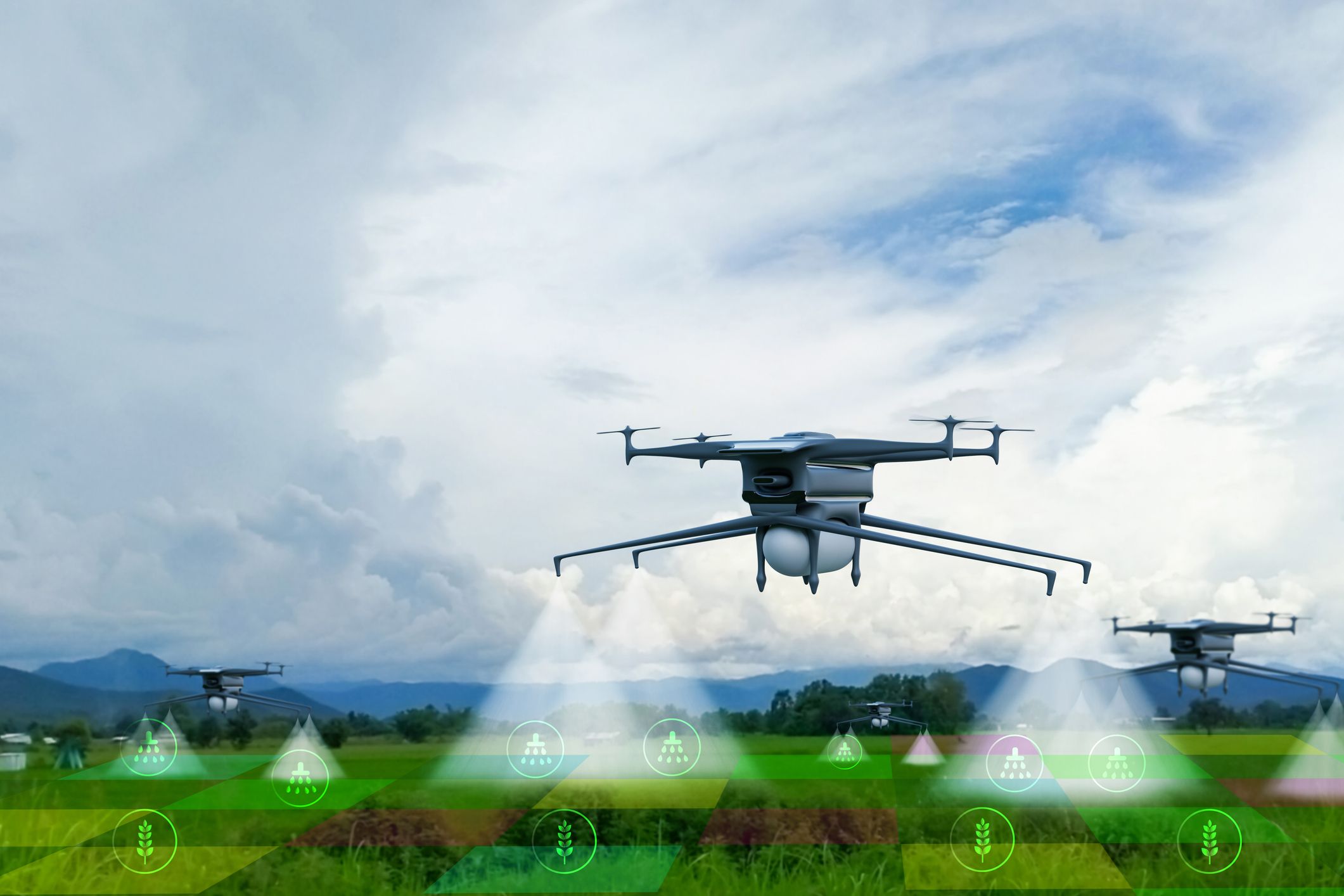
When comparing drone vs ground spraying and aerial application, accuracy comes down to how precisely product is placed across the field.
This level of control is difficult to achieve with ground rigs or manned aircraft operating at higher speeds and altitudes.
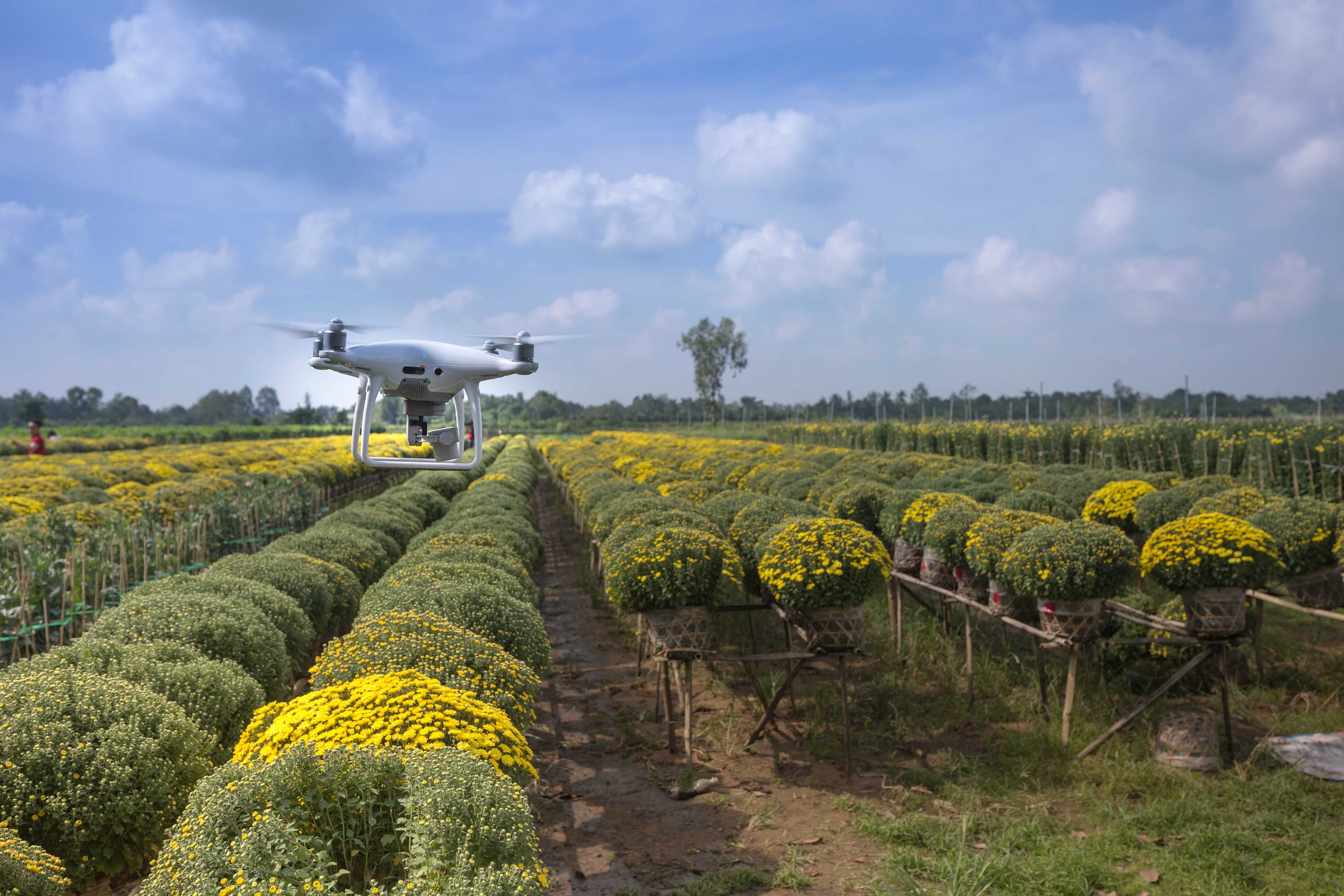
Spray drift creates real risks near waterways, neighboring fields, and sensitive crops. This is where aerial spraying disadvantages are most evident and where precision matters most.
In a drift comparison spraying analysis, drones consistently deliver better control and reduced off-target movement than ground or aerial methods.
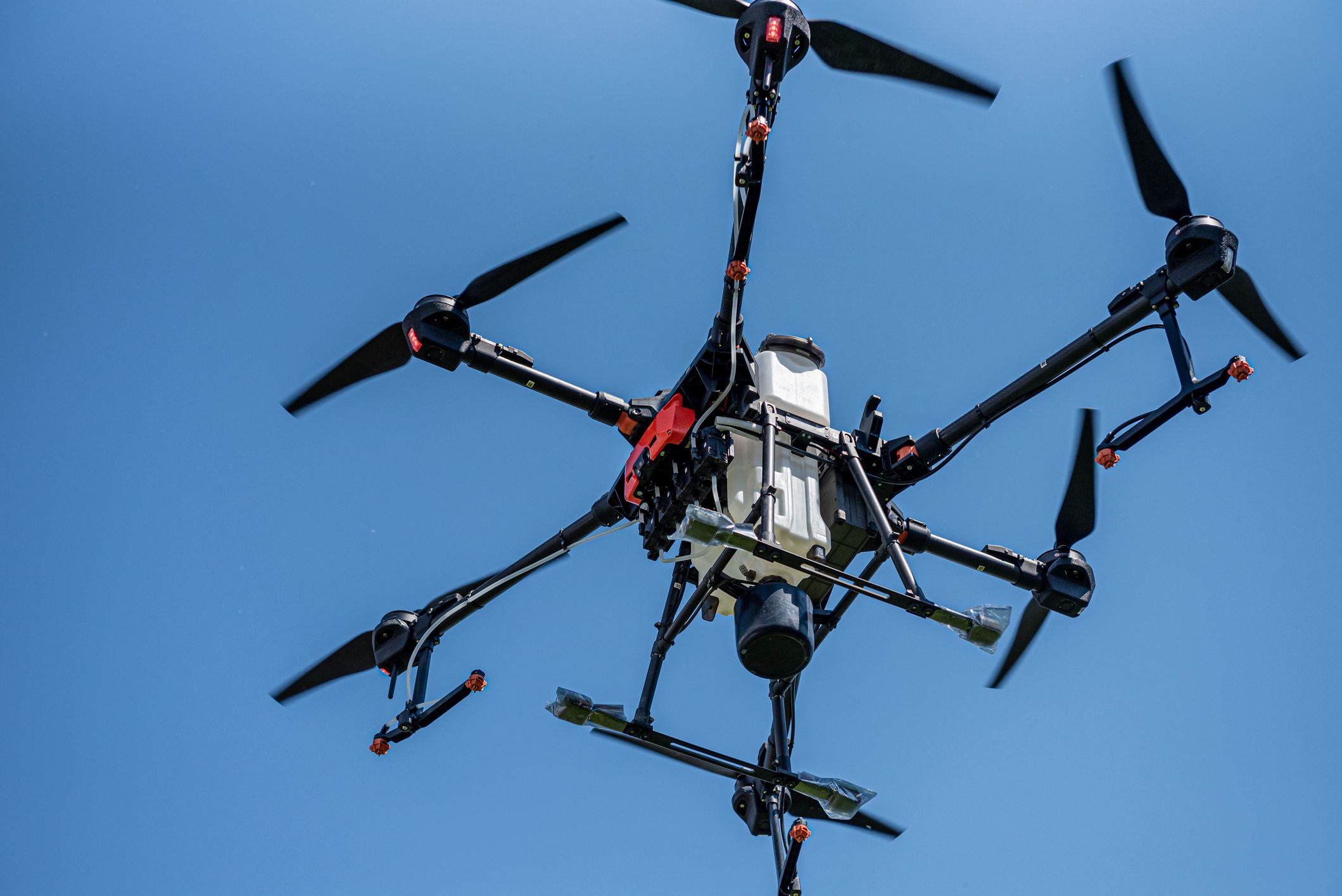
Safety affects operators, equipment, and surrounding communities. How spraying is applied plays a major role in overall operational risk.
By reducing human exposure and eliminating in-field equipment risks, drone spraying offers a safer alternative to both ground and aerial application methods.
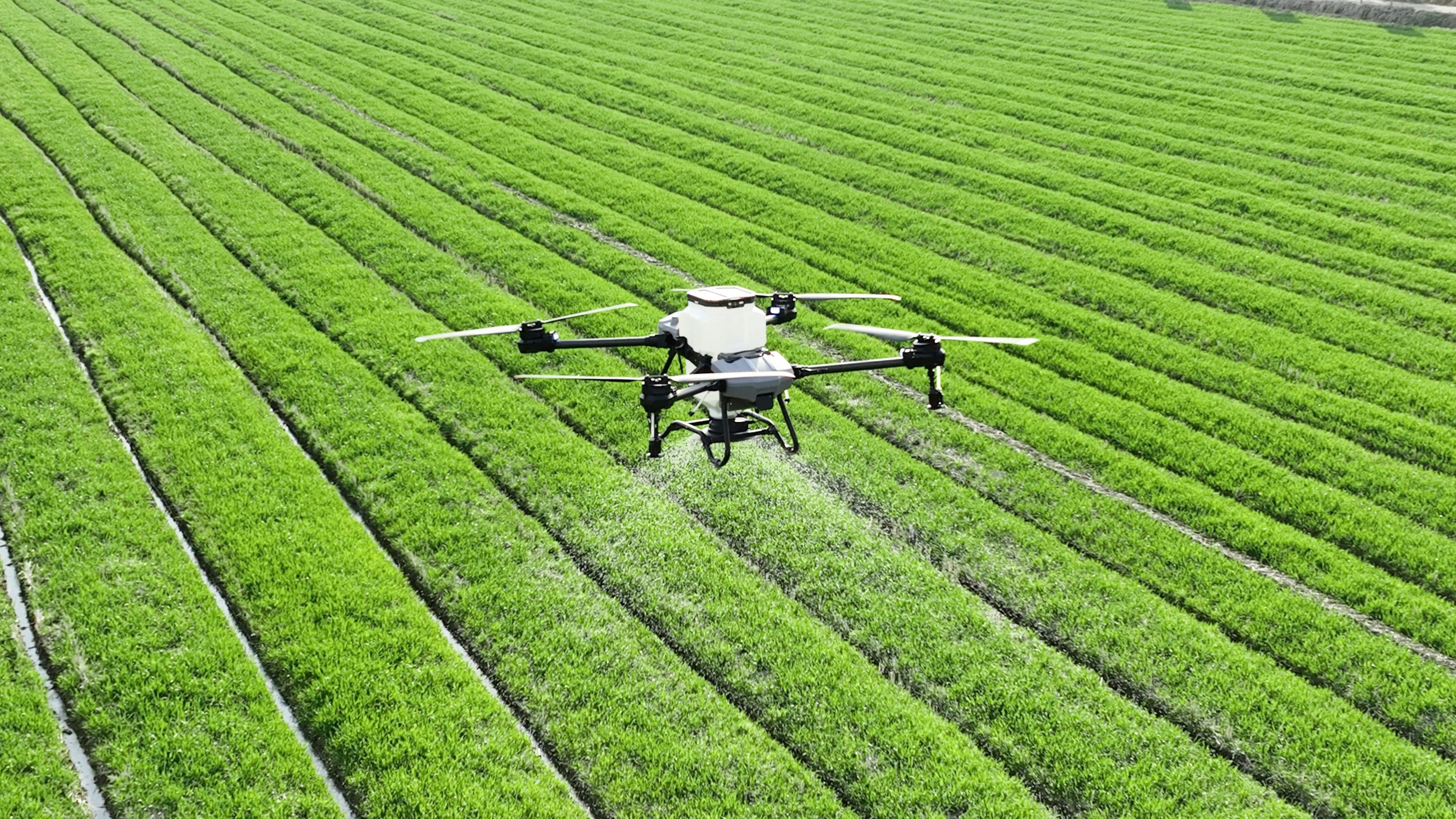
Field conditions and timing often limit when traditional spraying methods can operate. This is where drones separate themselves from ground and aerial application.
This flexibility allows crops to be treated at the right moment, even when conditions prevent ground rigs or manned aircraft from operating.
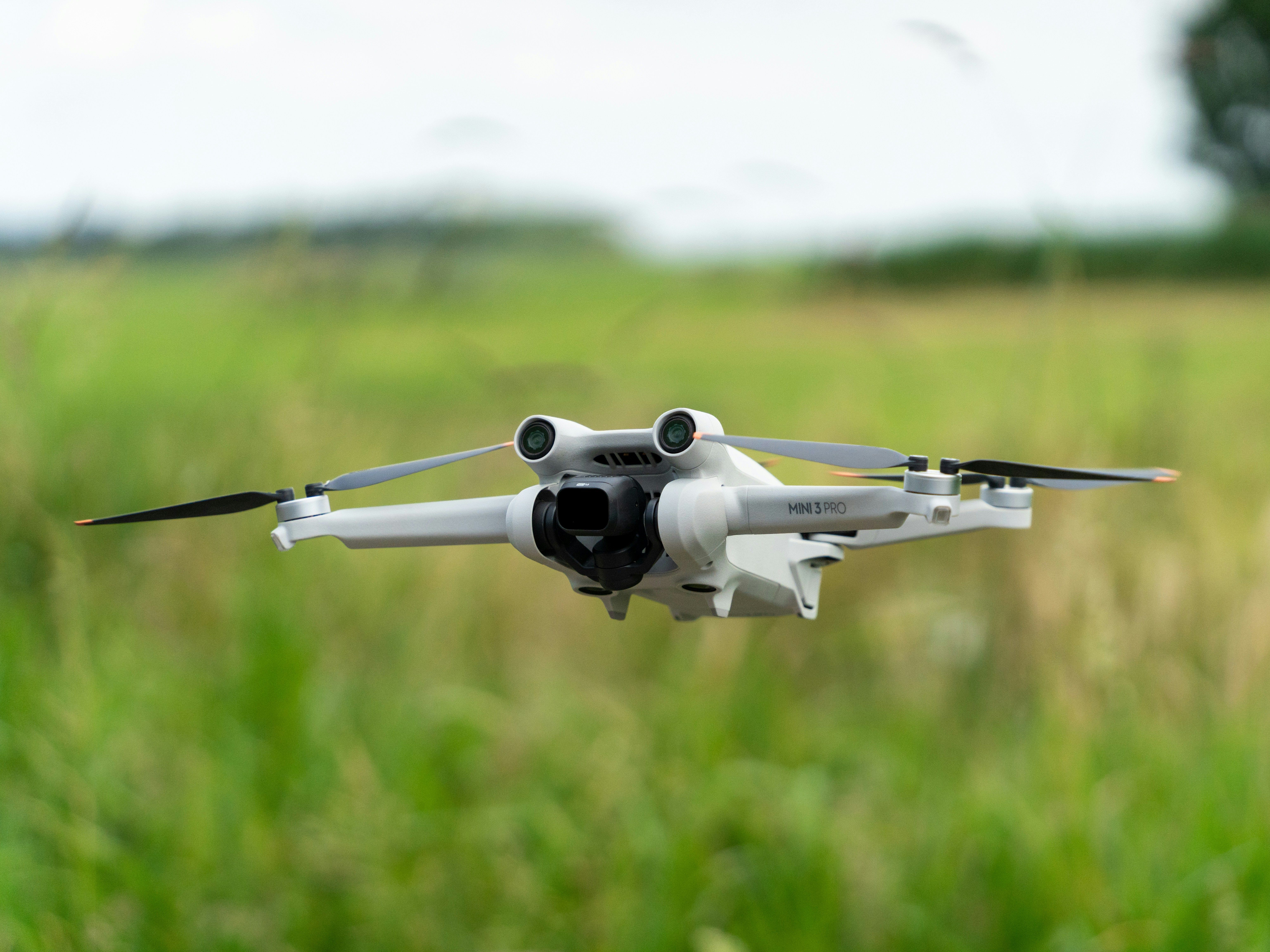
Reducing waste is just as important as reducing cost. Application efficiency directly impacts product usage, retreatment rates, and overall ROI.
Precision application helps maximize every treatment while minimizing environmental and financial waste.
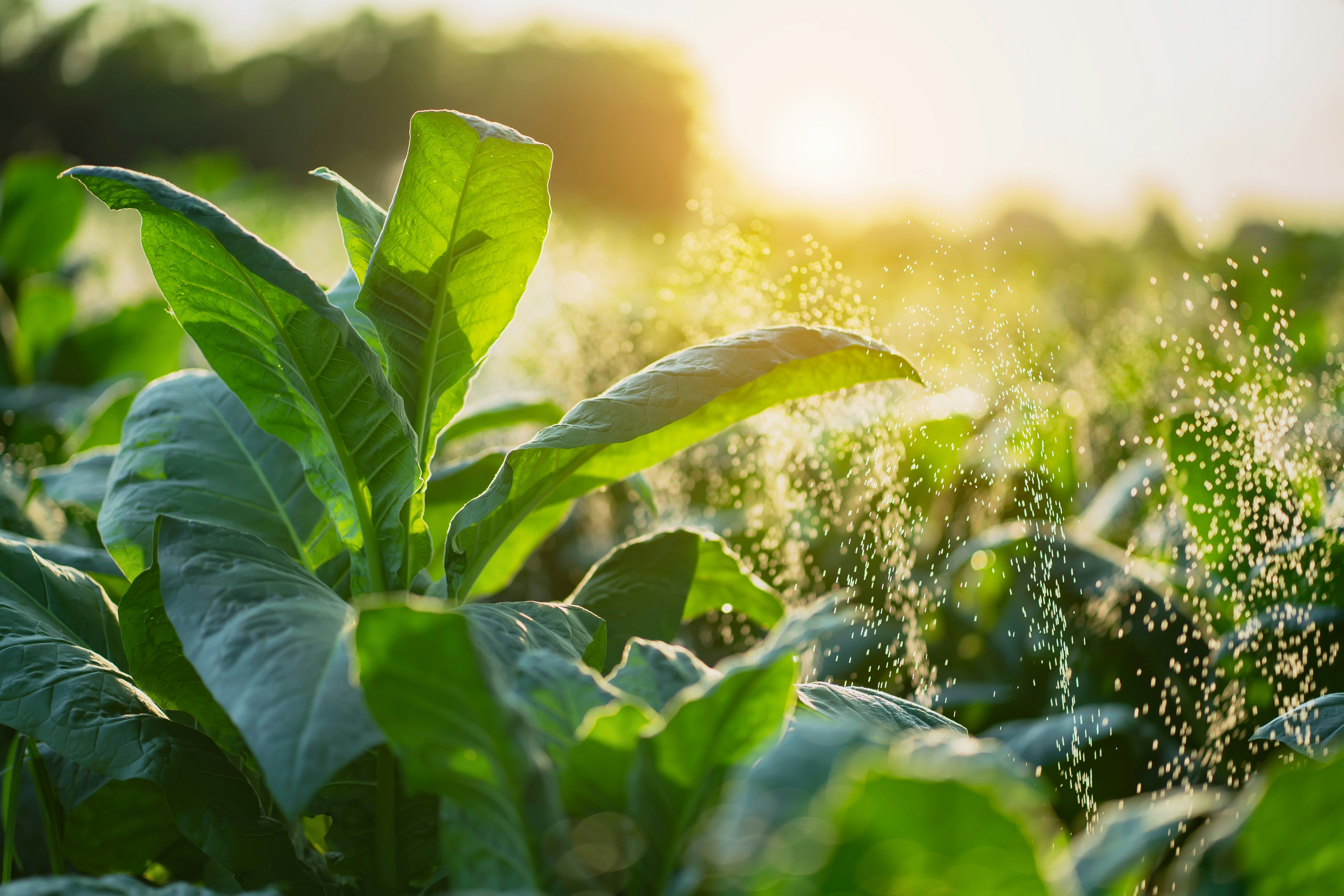
Every spraying method still has a role. The key is matching the method to field conditions, crop sensitivity, and timing requirements.
Understanding these differences helps ensure each application uses the right tool for the job.
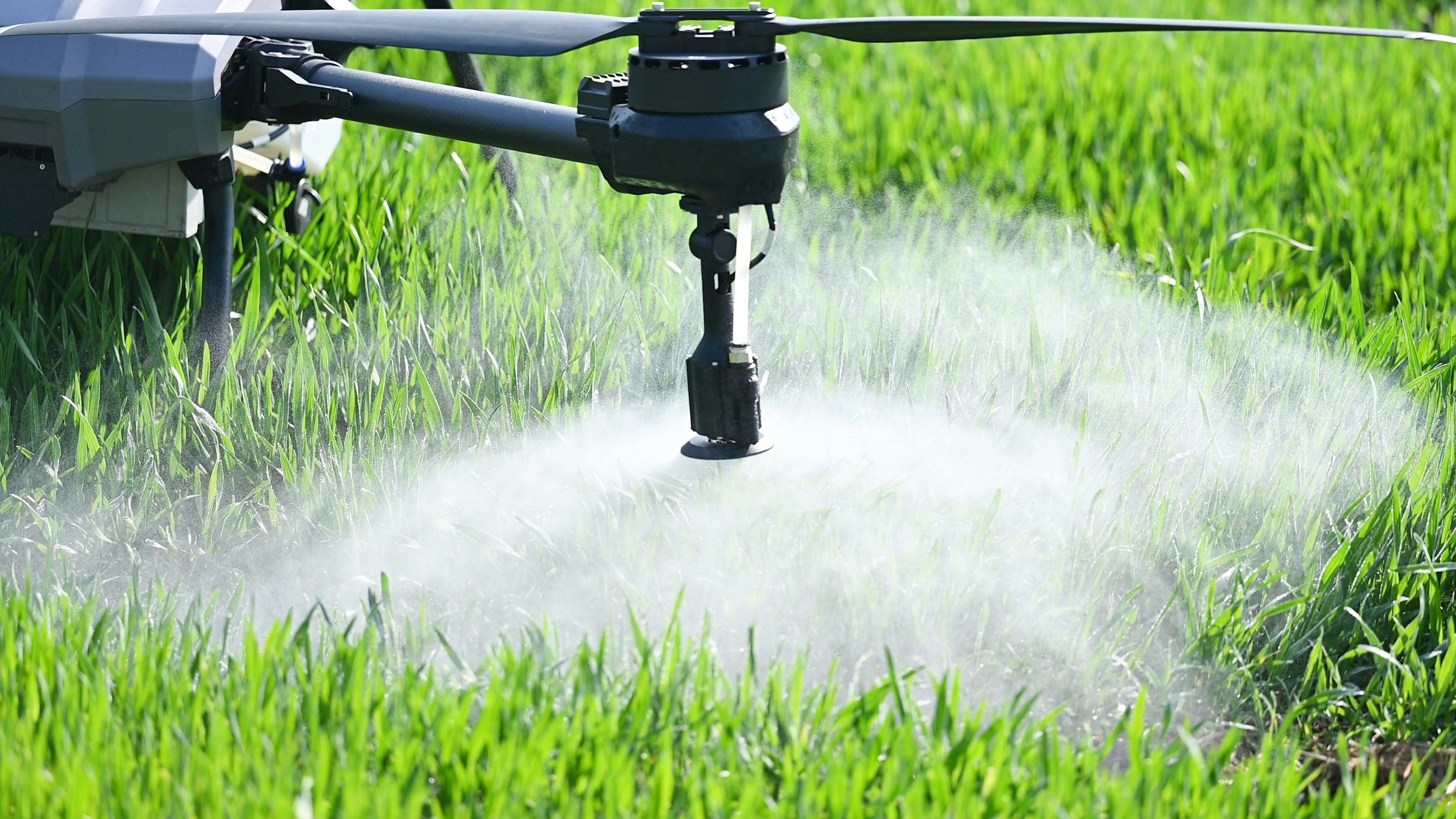
Across modern agriculture, drone spraying continues to gain adoption because it combines precision, safety, flexibility, and reduced environmental impact. For farms facing tighter regulations, unpredictable weather, and rising input costs, drones provide a practical and reliable solution.
When accuracy, drift control, and operational safety matter, drone spraying consistently outperforms traditional methods.
Yes. Drone spraying applies product at low altitude with precise droplet control, which improves placement accuracy and reduces overlap compared to aerial and ground spraying methods.
Drone spraying significantly reduces drift by operating closer to the crop canopy, using controlled droplet sizes, and maintaining stable application speeds, especially near sensitive areas and neighboring fields.
Drone spraying is best when fields are wet, uneven, hard to access, or when timing windows are tight and ground equipment could damage crops or compact soil.
Yes. Drone spraying removes the pilot from the aircraft entirely and keeps operators out of the application zone, lowering human risk compared to manned aerial spraying.