

Choosing the right spraying method is no longer as simple as using what has always been on the farm. Advances in technology have added new options, including drone spraying, alongside traditional ground rigs and manned aircraft. Each method has strengths, limitations, and situations where it performs best.
This comparison explains how drone spraying differs from traditional spraying methods, where each approach makes sense, and why many operations now use a combination rather than relying on a single solution.
Overview of Modern Crop Spraying Methods
Most agricultural spraying today falls into three categories: ground spraying, aerial plane spraying, and drone spraying. While the goal is the same, applying crop protection products effectively, how each method achieves that goal varies significantly.
Ground rigs remain the backbone of crop spraying for many farms. Airplanes are used when speed and acreage coverage matter most. Drones have emerged as a precision tool designed to solve access, accuracy, and drift challenges.
Understanding how each method works helps clarify when one option may be better suited than another.
How Drone Spraying Works
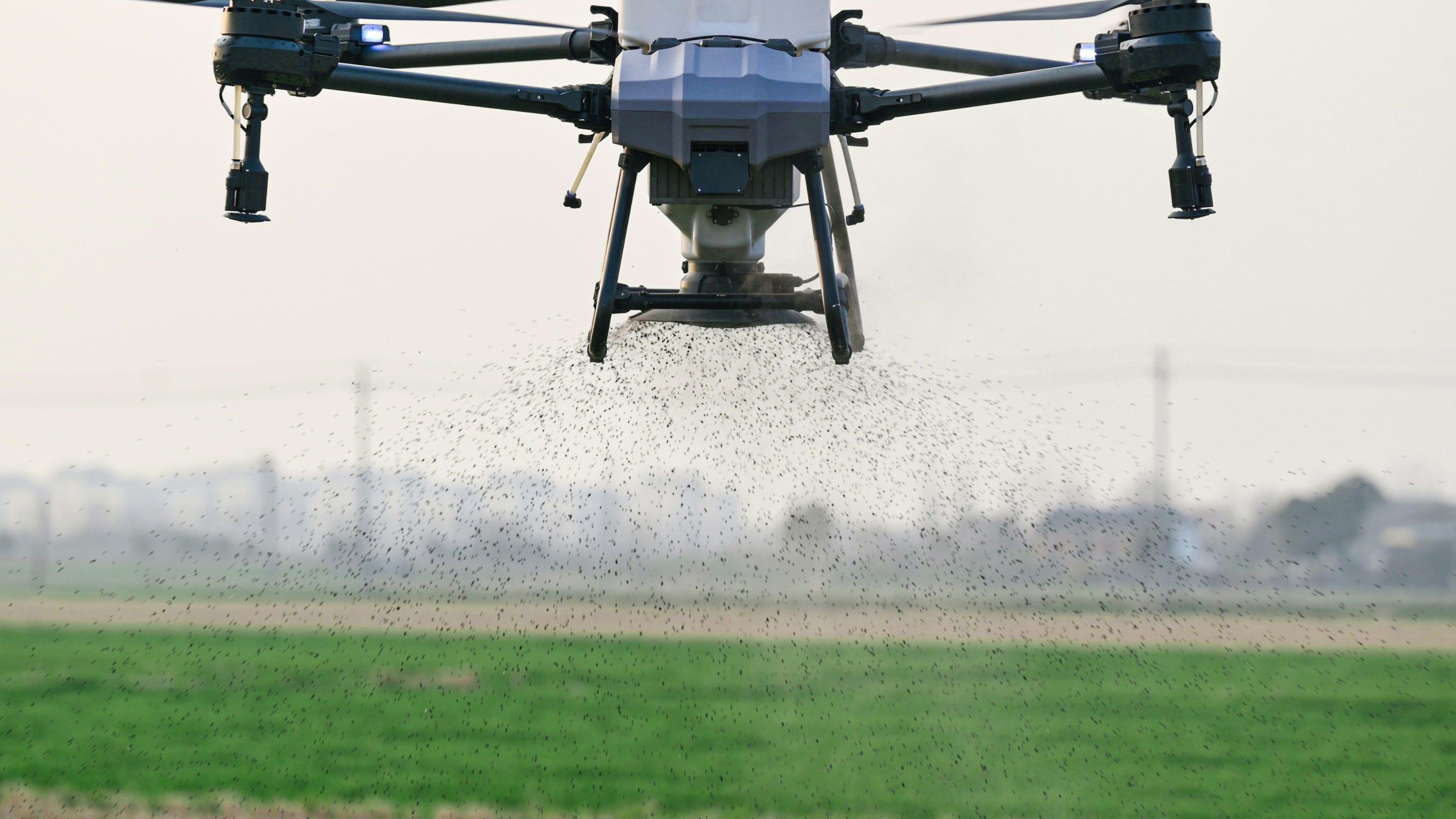
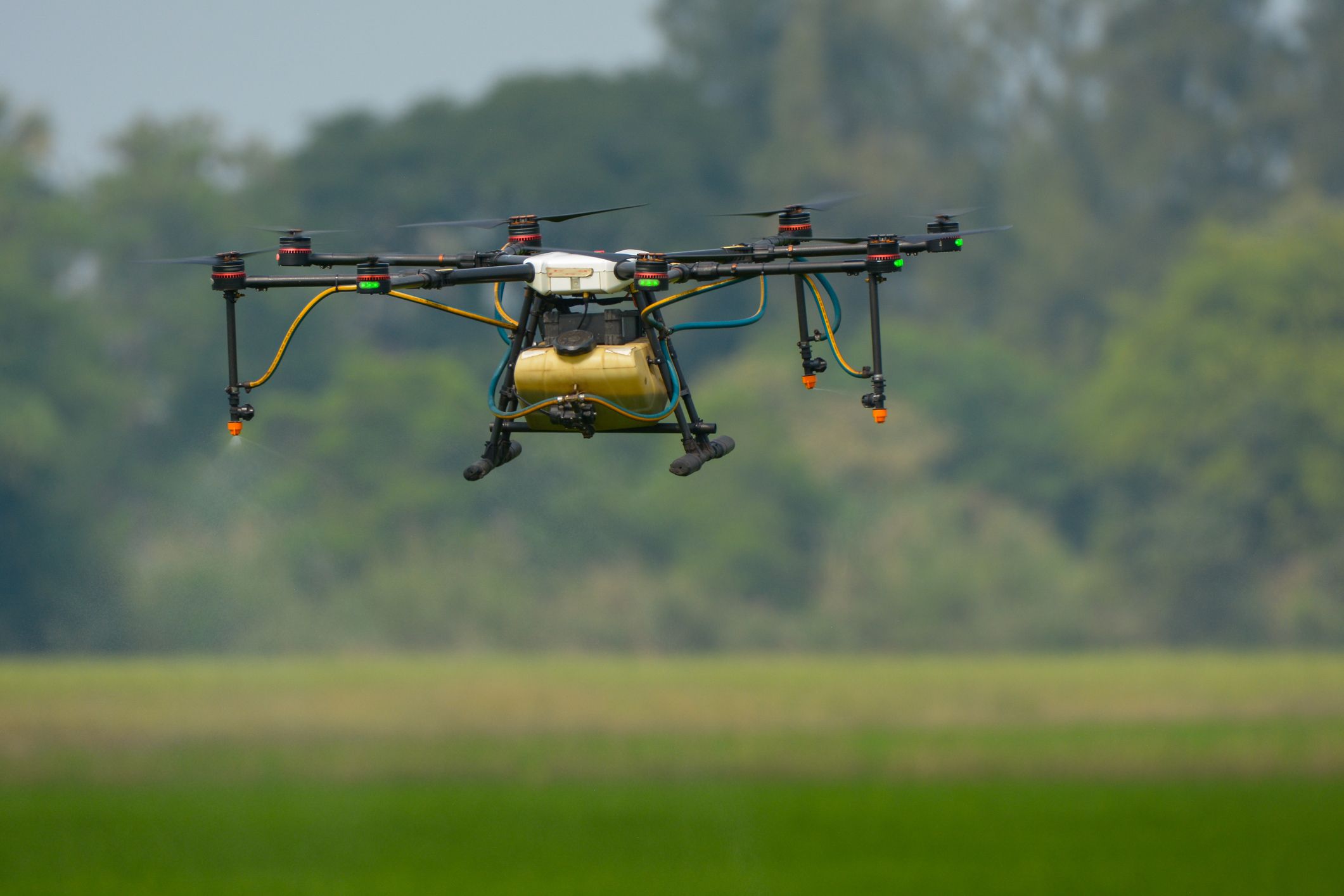
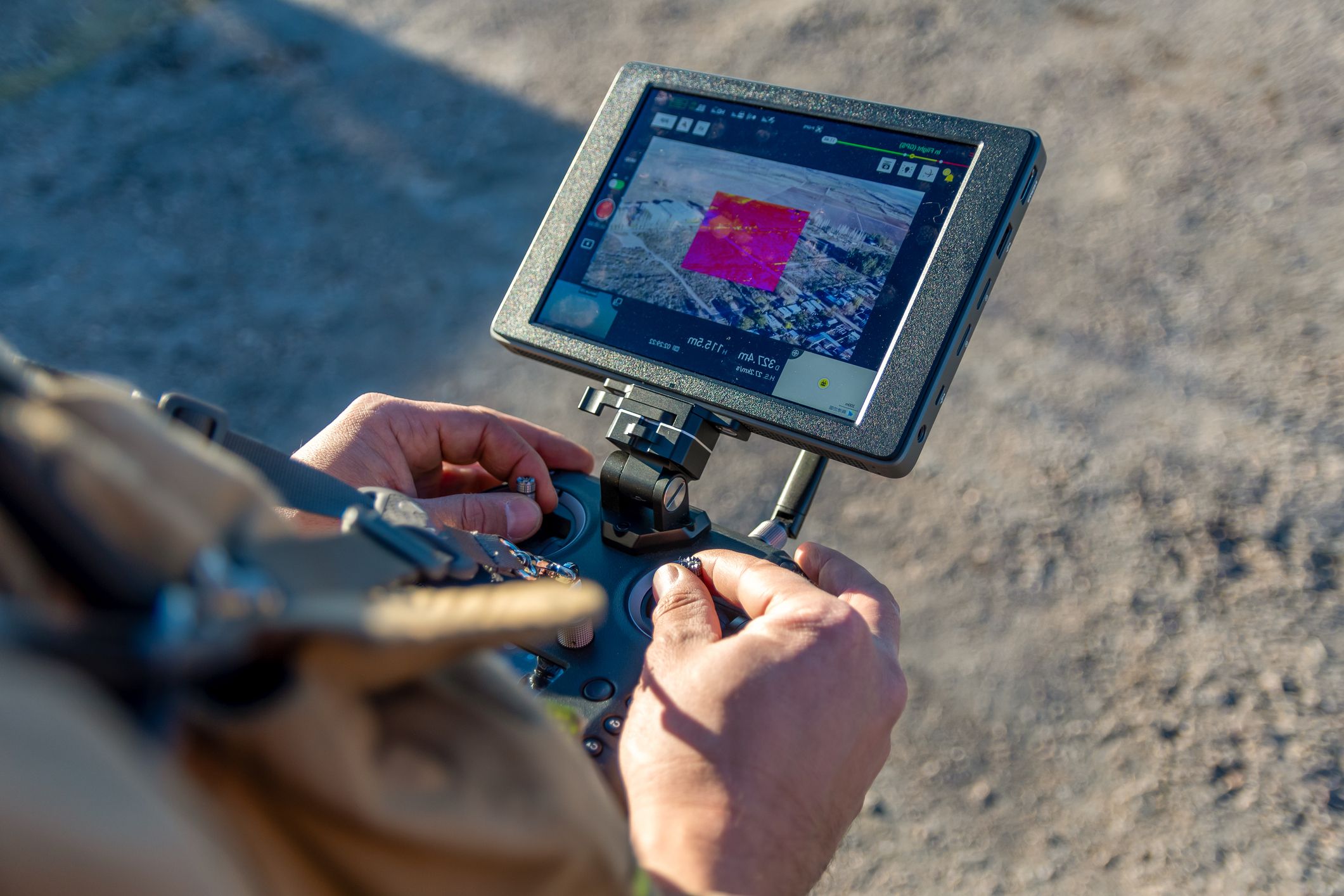
Drone spraying uses unmanned aircraft that fly low over fields to apply crop protection products directly near the crop canopy. These drones are programmed for consistent flight paths and controlled application rates.
Because drones operate close to the crop, spray has less distance to travel. This improves placement accuracy and reduces exposure to wind. Drone spraying is most often used for targeted treatments, late-season applications, or areas that are difficult to reach with traditional equipment.
Rather than covering entire fields at high speed, drones focus on precision and control.
How Traditional Ground Spraying Works
Ground spraying relies on wheeled or tracked equipment that travels through the field while applying product through boom sprayers. This method allows for high-volume application and is well suited for early-season or large uniform fields.
Ground rigs offer speed and efficiency when soil conditions allow access. However, they can be limited by wet fields, tall crops, or uneven terrain. Driving equipment through growing crops can also cause compaction or plant damage, especially later in the season.
Ground spraying remains highly effective but depends heavily on field conditions and timing.
How Aerial Plane Spraying Works
Manned aircraft apply crop protection products from higher altitudes and are used when large areas need to be treated quickly. Planes are efficient for covering many acres in a short time window.
However, spraying from higher altitudes increases exposure to wind, which raises drift concerns. Planes also have restrictions near homes, waterways, and sensitive areas. While aerial spraying plays an important role, it is not suitable for every situation.
Plane spraying prioritizes speed over precision.
Application Accuracy and Coverage Comparison
Application accuracy differs significantly between spraying methods. Ground rigs apply product from above the canopy, while planes spray from much higher elevations. Both methods can lead to product loss before it reaches the target.
Drone spraying operates close to the canopy, which improves contact with the crop and allows for more controlled placement. This makes drones well suited for spot treatments, edge work, and areas where accuracy matters more than coverage speed.
Traditional methods excel in blanket applications, while drones excel in targeted ones.
Spray Drift and Environmental Control
Spray drift is influenced by wind, droplet size, and application height. Higher spray heights increase the likelihood of off-target movement.
Drones reduce drift risk by flying low and using controlled droplet sizes. This makes them useful near homes, waterways, and field boundaries. Ground rigs can still experience drift under poor conditions, while planes face the greatest drift challenges due to altitude.
No method eliminates drift entirely, but drones offer more control in sensitive environments.
Field Access and Timing Flexibility
Field access often determines which spraying method can be used. Wet soil, uneven ground, or late-season crop height can prevent ground equipment from entering fields without causing damage.
Drone spraying does not require ground access, allowing treatments to occur when timing matters most. Planes also avoid ground access issues but may not be permitted near populated areas or sensitive zones.
Drones provide flexibility when conditions limit other options.
Cost and Efficiency Considerations
Efficiency depends on how a method is used, not just cost per acre. Ground rigs and planes are efficient for large uniform applications. Drones are efficient when treating specific areas or addressing problems without wasting inputs.
Drone spraying often reduces chemical use by limiting application to areas that need treatment. While drones may not cover the same acreage per hour, their efficiency comes from precision rather than speed.
Cost effectiveness varies by situation, not by technology alone.
When Drone Spraying Makes the Most Sense
Drone spraying is especially useful in situations such as:
- Late-season crop treatments
- Wet or muddy fields
- Irregular field layouts
- Sensitive areas near homes or water
- Spot treatments and replant zones
In these cases, precision and access outweigh speed.
When Traditional Spraying Is Still the Better Choice
Traditional spraying methods remain the best option when:
- Large uniform acres need coverage
- Early-season applications are required
- Time windows are extremely tight
- Field conditions allow easy equipment access
These methods remain essential for broad-acre efficiency.
Choosing the Right Spraying Method for Your Operation
There is no single best spraying method for every operation. The most effective approach often combines multiple methods based on crop stage, field conditions, and application goals.
Drone spraying works best as a complement to traditional methods, filling gaps where access, precision, or drift control are priorities. Matching the method to the situation leads to better results than relying on one solution for every field.
Final Thoughts on Drone Spraying vs Traditional Spraying
Drone spraying does not replace ground rigs or aerial planes, but it adds flexibility where traditional methods fall short. Understanding the strengths and limitations of each option helps farmers make better decisions throughout the season.
By using the right tool at the right time, growers can improve application accuracy, protect crops, and manage inputs more efficiently.