

Cover crops play an important role in protecting soil, improving structure, and supporting long-term field health. The challenge for many growers is not understanding the value of cover crops, but finding the right time and method to establish them successfully. Narrow fall windows, wet ground, and harvest timing often limit traditional seeding options.
Cover crop seeding with drones has emerged as a practical solution to these challenges. By allowing seed application without ground equipment, drones help farmers establish cover crops when timing and access would otherwise prevent it.
What Is Cover Crop Seeding With Drones
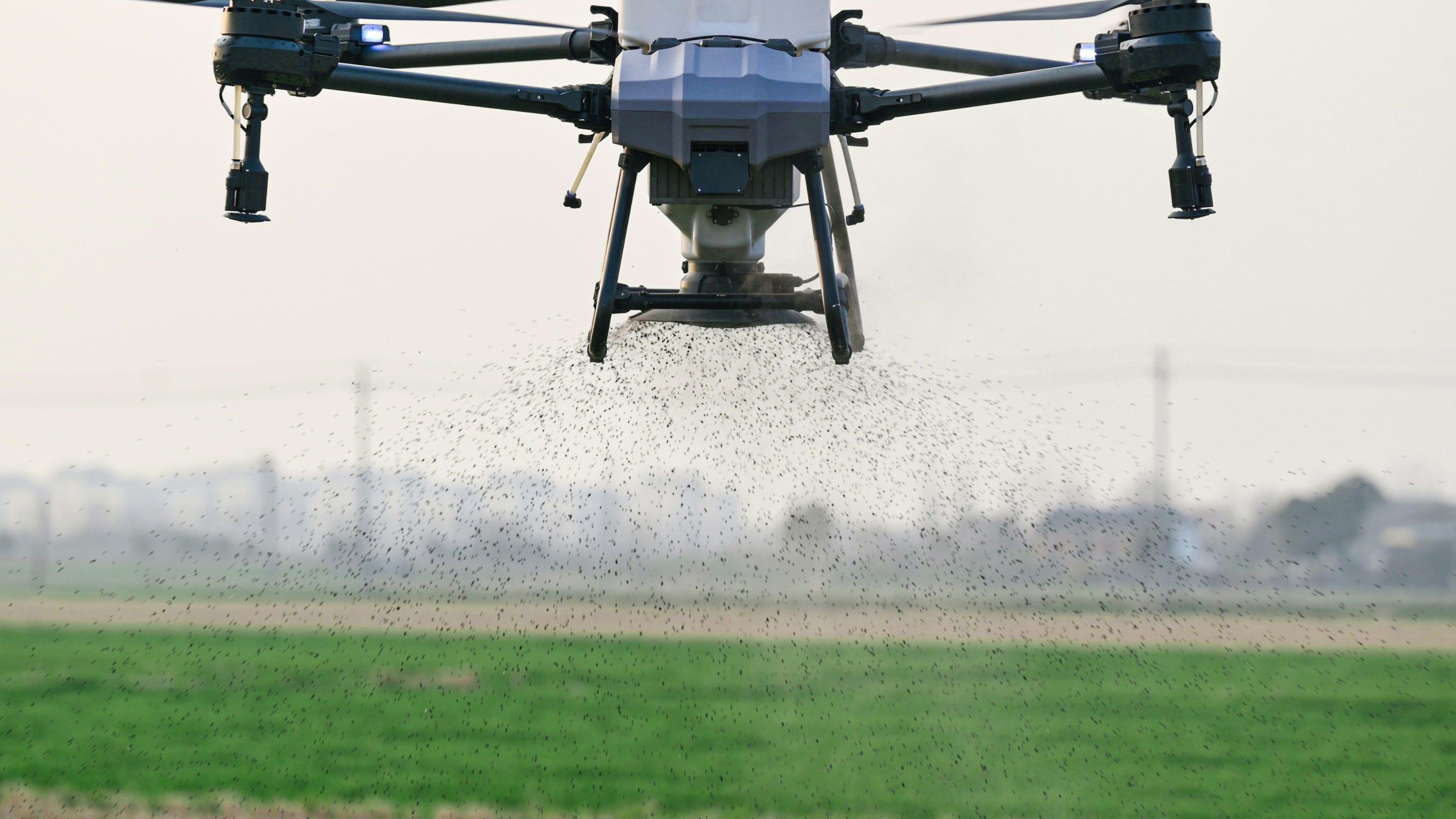
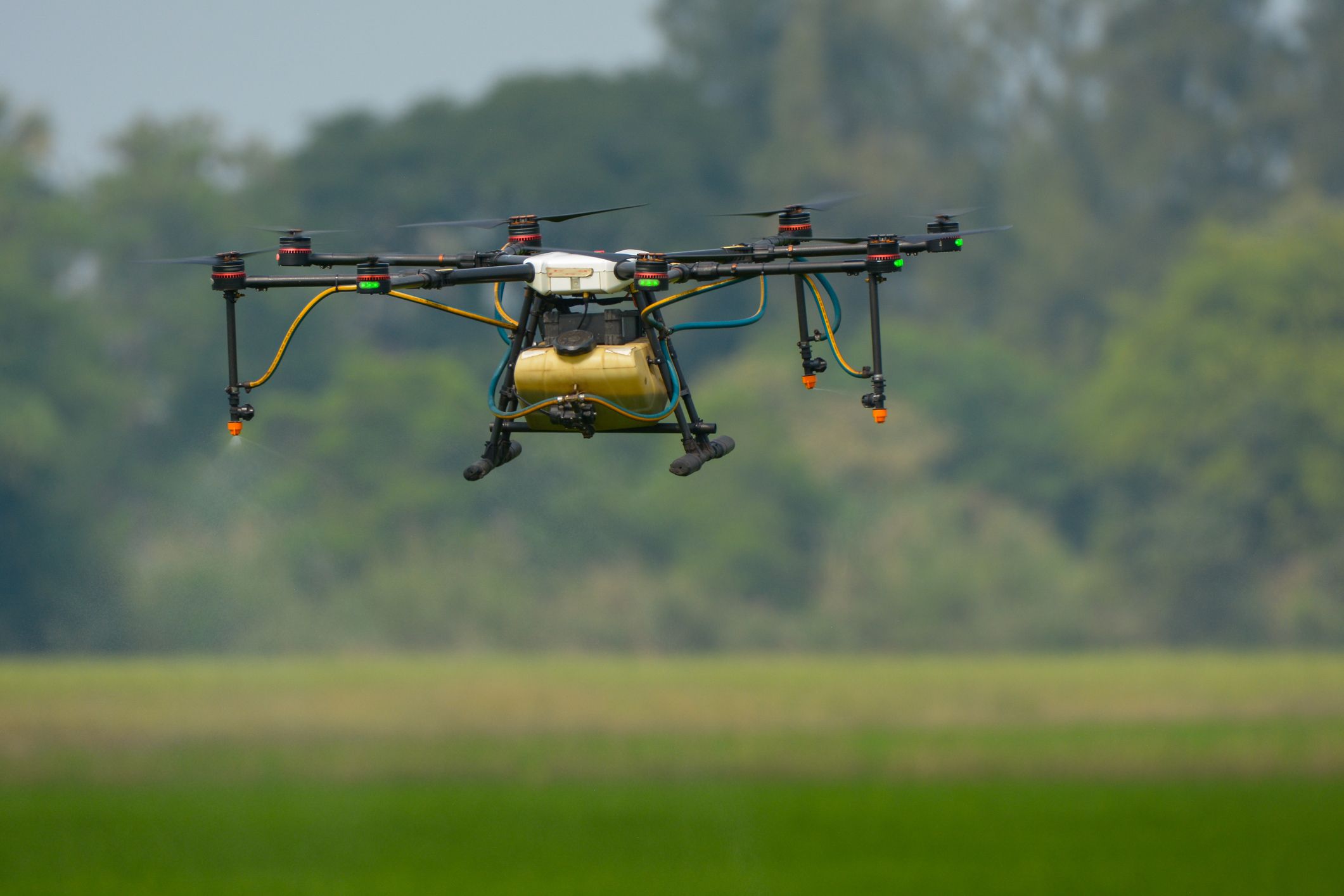
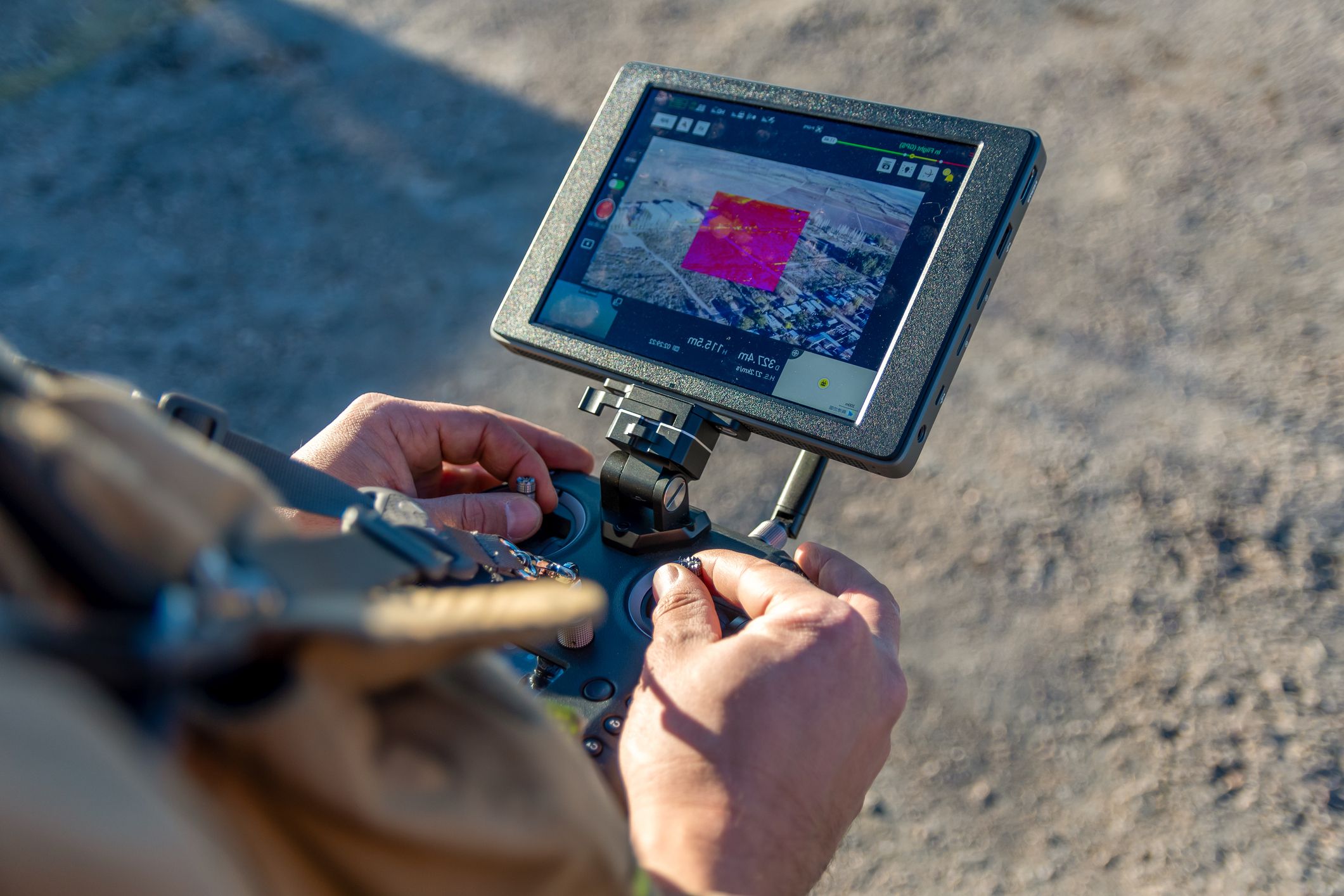
Cover crop seeding with drones involves broadcasting seed from unmanned aircraft flying low over fields. The drone follows programmed flight paths to distribute seed evenly across the target area. Because drones do not touch the ground, they can operate over standing crops, residue-covered fields, or wet soil conditions.
This method is most commonly used before harvest, immediately after harvest, or during short weather windows when traditional equipment cannot enter the field. Drone seeding does not replace drilling in all situations, but it provides an effective alternative when access and timing are limiting factors.
Why Timing Matters for Cover Crop Establishment
Successful cover crop establishment depends heavily on timing. Earlier seeding allows cover crops to develop roots, capture sunlight, and provide soil protection before winter conditions set in. Delayed seeding often results in weaker stands and reduced soil health benefits.
Drone seeding helps overcome timing challenges by allowing cover crops to be seeded before harvest or immediately after crops are removed. This flexibility increases the likelihood of establishment during optimal growth windows, even when weather or field conditions are unfavorable for ground equipment.
By extending the seeding window, drones help farmers make better use of limited fall opportunities.
How Drone Seeding Supports Soil Health Goals
Soil health improves when soil remains covered, undisturbed, and biologically active. Drone seeding supports these principles by minimizing soil disturbance and maintaining residue cover.
Because drones do not require tillage or wheel traffic, soil structure is preserved and compaction is avoided. Early establishment allows cover crop roots to stabilize soil, reduce erosion, and improve water infiltration. Over time, this contributes to better soil aggregation and increased organic matter.
Drone seeding fits well within conservation-focused systems that prioritize long-term soil function over short-term convenience.
Uniform Seed Distribution and Field Coverage
Modern agricultural drones are designed to deliver consistent seed distribution across variable field conditions. Low-altitude flight and controlled release systems help achieve uniform coverage, even in irregularly shaped fields or areas with terrain challenges.
Drones can access field edges, waterways, and areas that are difficult to reach with ground equipment. This helps ensure cover crops are established across the entire field rather than leaving untreated gaps.
While seed placement depth differs from drilled methods, uniform surface distribution still supports effective germination when moisture conditions are favorable.
Drone Seeding vs Traditional Cover Crop Seeding
Traditional cover crop seeding methods include drilling, broadcast spreading with ground equipment, and aerial application using planes. Each method has advantages depending on conditions.
Drilling provides precise depth placement and seed-to-soil contact but requires dry ground and available time after harvest. Ground broadcast methods offer flexibility but still depend on field access. Aerial plane seeding covers large areas quickly but operates at higher altitudes, which can affect placement consistency.
Drone seeding offers a balance between precision and flexibility. It does not replace drilling when ideal conditions exist, but it provides an effective option when traditional methods are limited by timing or access.
When Drone Seeding Makes the Most Sense
Cover crop seeding with drones is particularly useful in the following situations:
- Seeding into standing crops before harvest
- Wet or soft ground conditions
- Late-season or narrow fall seeding windows
- Fields with limited equipment access
- Areas where soil disturbance should be minimized
In these scenarios, drone seeding improves the chances of successful establishment.
Limitations and Considerations of Drone Seeding
Drone seeding is not without limitations. Certain seed types may not perform as well with surface application, and seeding rates may need adjustment based on field conditions. Weather, especially wind and rainfall timing, still plays a critical role in germination success.
Drone seeding works best as part of a planned system rather than a last-minute solution. Understanding its strengths and limits helps ensure realistic expectations and better outcomes.
Integrating Drone Seeding Into a Soil Health Strategy
Drone seeding is most effective when integrated into a broader soil health plan. Some fields may benefit from drone seeding in the fall and drilled cover crops in other seasons. Using multiple methods allows farmers to adapt to changing conditions while maintaining soil cover.
By planning ahead and using drone seeding strategically, growers can improve consistency in cover crop establishment and strengthen long-term soil performance.
Final Thoughts on Cover Crop Seeding With Drones
Cover crop seeding with drones provides farmers with a flexible tool to overcome timing and access challenges. While it does not replace traditional seeding methods, it fills an important gap when conditions limit other options.
For operations focused on soil health, conservation, and consistent cover crop establishment, drone seeding offers a practical way to protect and improve soil even during challenging seasons.