Drone spraying has moved from a novelty to a practical tool on many row crop operations. While it does not replace every spraying method, it fills important gaps where traditional ground rigs and manned aircraft fall short. When used correctly, drone spraying can improve application accuracy, reduce drift, and give growers more flexibility during critical points in the season.
This article explains how drone spraying works, where it adds the most value for row crops, and when it makes sense to use it as part of a broader crop management strategy.
What Is Drone Spraying in Row Crop Agriculture
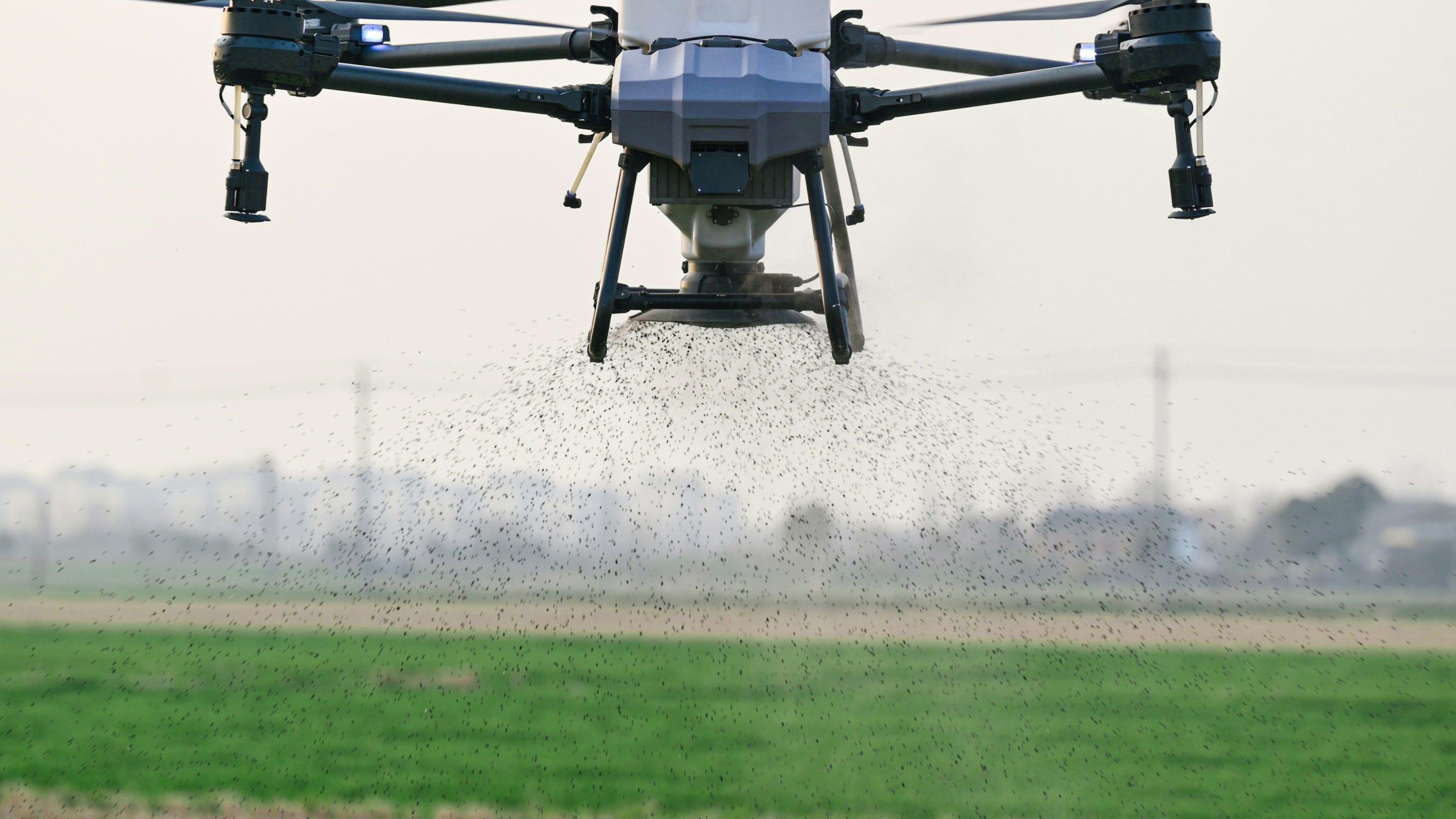
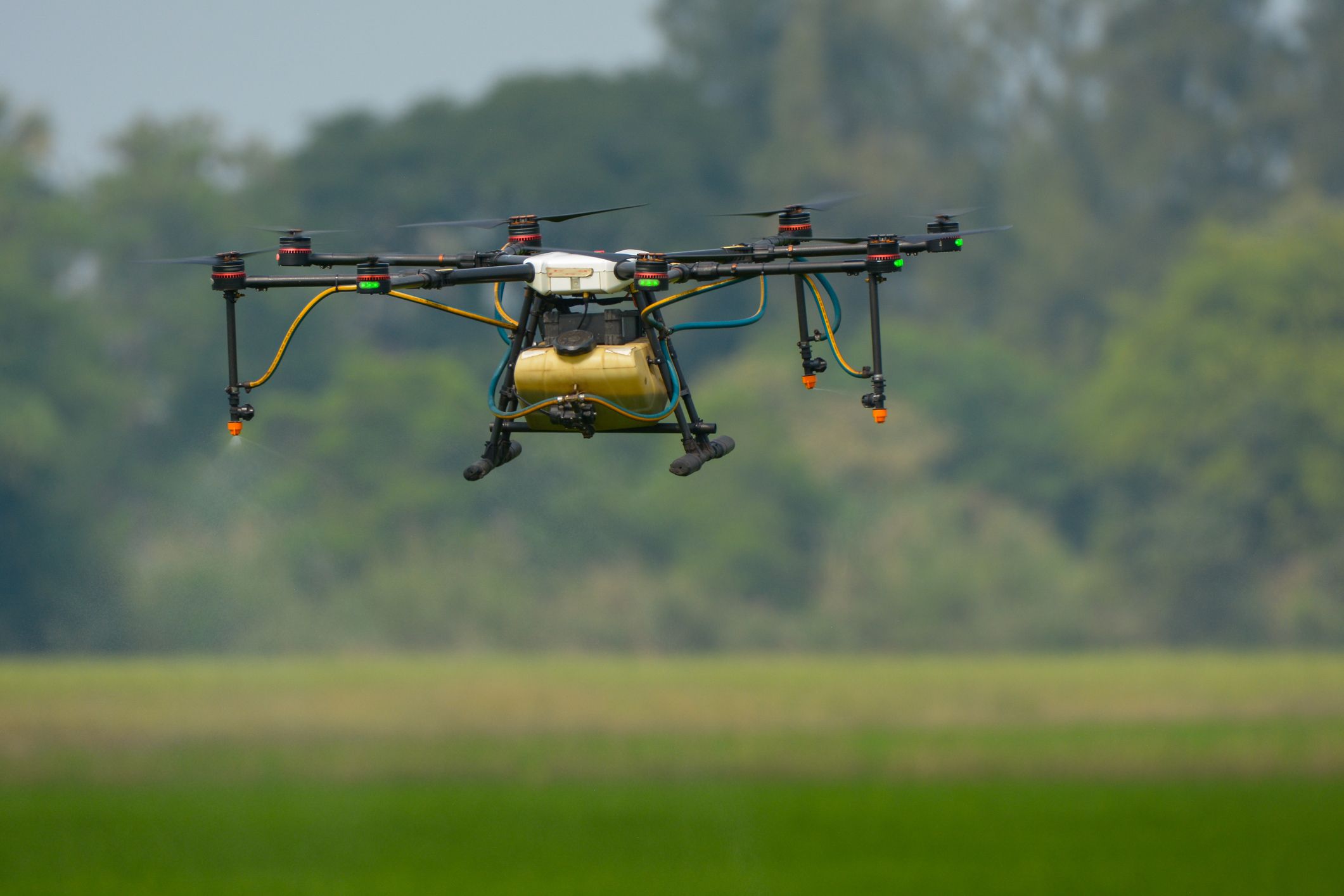
Drone spraying uses unmanned aerial vehicles to apply crop protection products directly over fields. Unlike airplanes that spray from higher altitudes or ground rigs that travel through crops, drones fly low and apply treatments close to the crop canopy.
For row crop farmers, this means spraying can happen without driving equipment through the field or relying on large aircraft that require ideal conditions. Drones are typically used for targeted applications, late-season treatments, or areas where access is limited.
They are not designed to replace full-field spraying on every acre. Instead, they serve as a precision tool that works alongside traditional methods.
Improved Application Accuracy at Canopy Level
One of the biggest advantages of drone spraying is how close the application occurs to the crop canopy. Ground rigs often spray above the canopy, while planes spray from much higher elevations. Both methods can lead to product loss before it reaches the target.
Drones operate much closer to the crop, which improves contact with leaves and stems. This is especially valuable in dense row crops where penetration matters. By delivering spray at canopy level, drones reduce bounce, evaporation, and drift, helping more product reach where it is intended to work.
The result is more consistent coverage in targeted areas without increasing application rates.
Reduced Drift Compared to Traditional Spraying
Spray drift is a concern on nearly every farm, especially near homes, waterways, roads, or neighboring crops. Wind, temperature, and equipment setup all influence how much product moves off target.
Drone spraying reduces drift by flying low and using controlled droplet sizes. Because the spray does not have far to travel, it is less affected by wind compared to aerial applications from planes. This makes drones especially useful in sensitive areas where drift risk must be minimized.
While no spraying method is completely drift-free, drone application offers more control in situations where precision matters.
Access to Fields When Equipment Cannot Enter
Row crop farmers know that timing matters, but field conditions do not always cooperate. Wet soil, uneven ground, or late-season crop height can prevent ground equipment from entering fields without causing damage.
Drone spraying allows treatments to be applied without touching the ground. This is useful when fields are too wet for tires, when crops are too tall for safe rig operation, or when entering the field would cause compaction or rutting.
By removing access limitations, drones help ensure treatments happen when they are needed, not when conditions finally allow equipment to enter.
Targeted Treatment for Problem Areas
Not every acre in a field requires the same treatment. Weed pressure, disease presence, and insect activity often appear in specific zones rather than across entire fields.
Drone spraying supports targeted treatment by allowing growers to focus on problem areas instead of blanket spraying. Spot treatments, field edges, replant zones, and test plots can be treated without applying product to unaffected areas.
This targeted approach helps reduce chemical use while still addressing issues that could impact yield if left untreated.
Efficiency and Input Cost Control
Input costs continue to rise, making efficiency more important than ever. Drone spraying helps control costs by applying product only where it is needed and avoiding unnecessary overlap.
Because drones can quickly treat specific areas, they reduce wasted passes and overapplication. While drones may not cover the same acreage per hour as large rigs or planes, their efficiency comes from precision, not speed.
Used strategically, drone spraying can support better input management and improved return on application dollars.
When Drone Spraying Makes the Most Sense for Row Crops
Drone spraying is not an all-or-nothing decision. It works best in specific scenarios, including:
- Late-season crop applications when equipment access is limited
- Wet or muddy fields where ground rigs would cause damage
- Replant areas, test plots, or research strips
- Field edges, waterways, and sensitive boundary zones
In these situations, drone spraying offers flexibility that other methods cannot match.
Drone Spraying vs Traditional Spraying Methods
Each spraying method has a place in row crop agriculture.
Ground rigs remain the most efficient option for large, uniform applications under good field conditions. Airplanes excel at covering large acreages quickly when conditions allow and drift risk is acceptable.
Drone spraying fits between these options. It does not replace them but complements them. Drones shine where precision, access, and reduced disturbance matter more than raw acreage speed.
Choosing the right method depends on field conditions, timing, crop stage, and application goals.
Safety and Responsible Application Practices
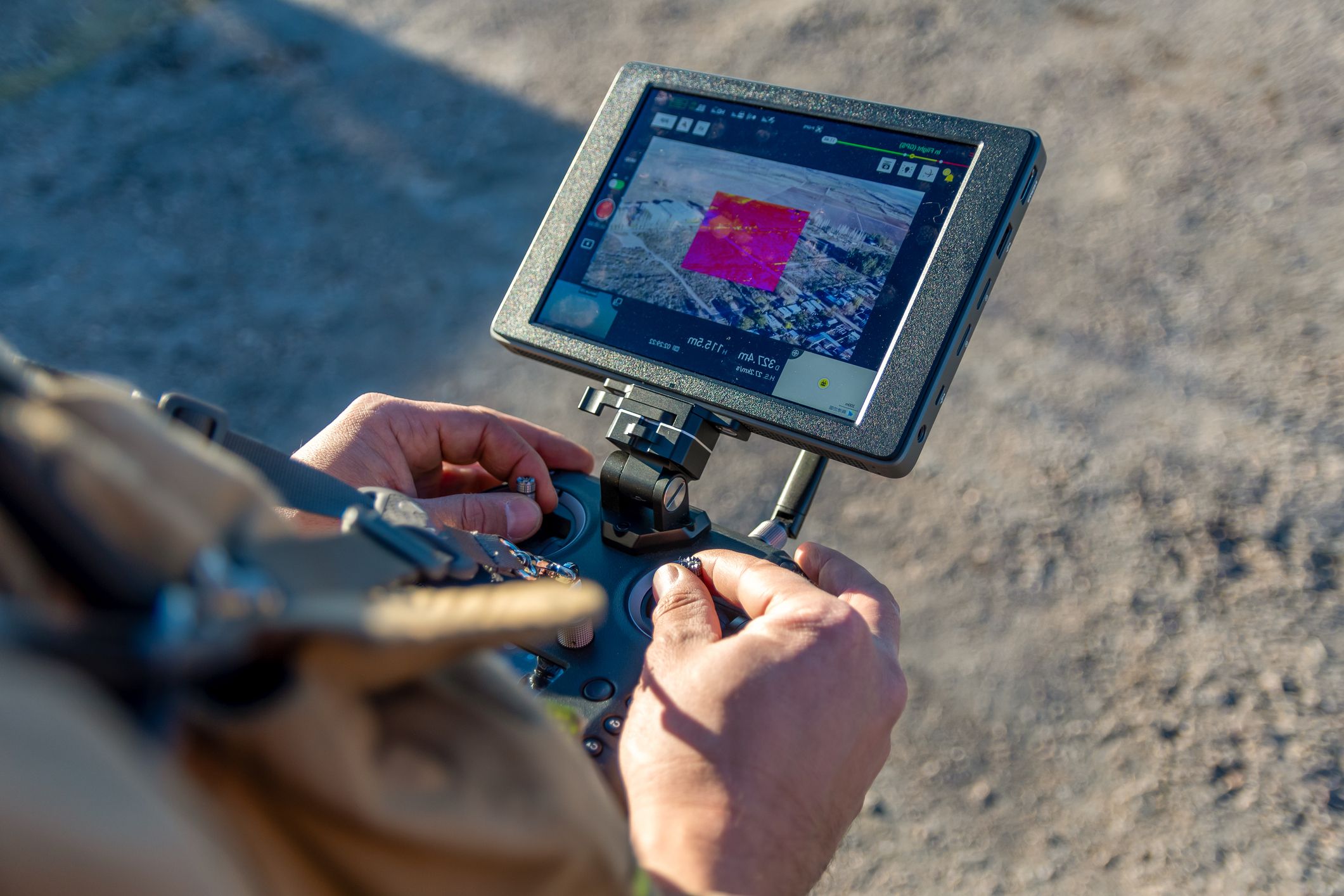
Drone spraying must be done responsibly to deliver results safely. Licensed operators, label compliance, and weather awareness are critical. Applications should be planned around wind, temperature, and crop conditions, just like any other spraying method.
When used correctly, drone spraying offers a controlled and predictable application method that supports safe and effective crop protection.
Final Thoughts on Drone Spraying for Row Crops
Drone spraying is not a replacement for traditional spraying methods, but it is a valuable tool when used in the right situations. For row crop farmers facing access challenges, drift concerns, or the need for targeted treatment, drones provide flexibility that other equipment cannot.
As part of a balanced spraying strategy, drone application can improve accuracy, protect crops, and support better decision-making throughout the growing season.