Crop yield challenges rarely start at harvest. In most cases, yield loss begins weeks or even months earlier due to stress that is not visible from the ground. Nutrient shortages, moisture imbalance, disease pressure, or uneven growth often develop quietly before plants show obvious symptoms.
Spectral imaging helps bring these early signals to the surface. By capturing crop data beyond visible light, this technology allows farmers to see field conditions more clearly and make informed decisions before problems affect yield potential.
What Is Spectral Imaging in Agriculture
Spectral imaging is a method of collecting crop data using sensors that measure how plants reflect different wavelengths of light. Unlike standard aerial photos or visual scouting, spectral imaging analyzes light patterns related to plant health and vigor.
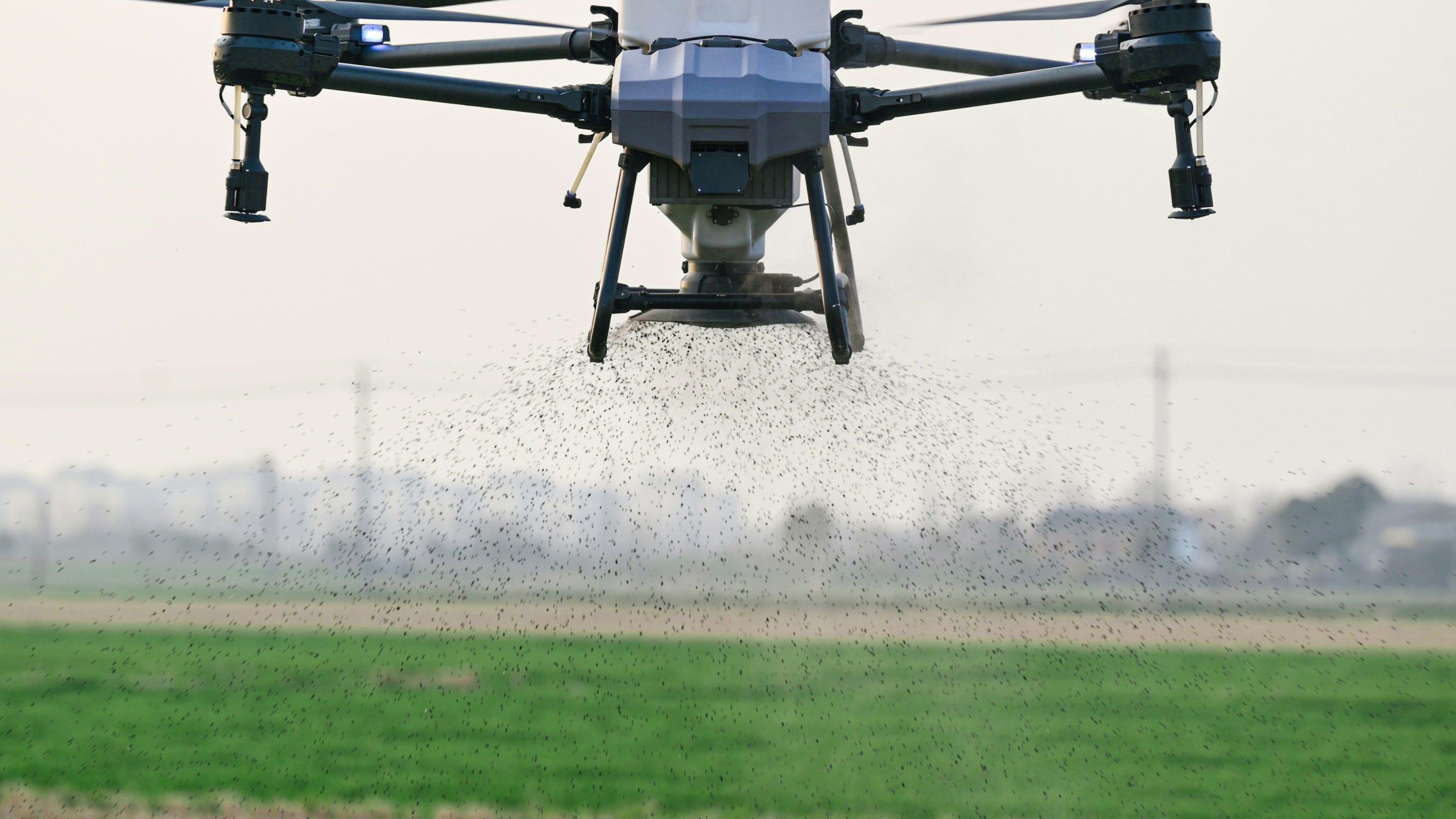
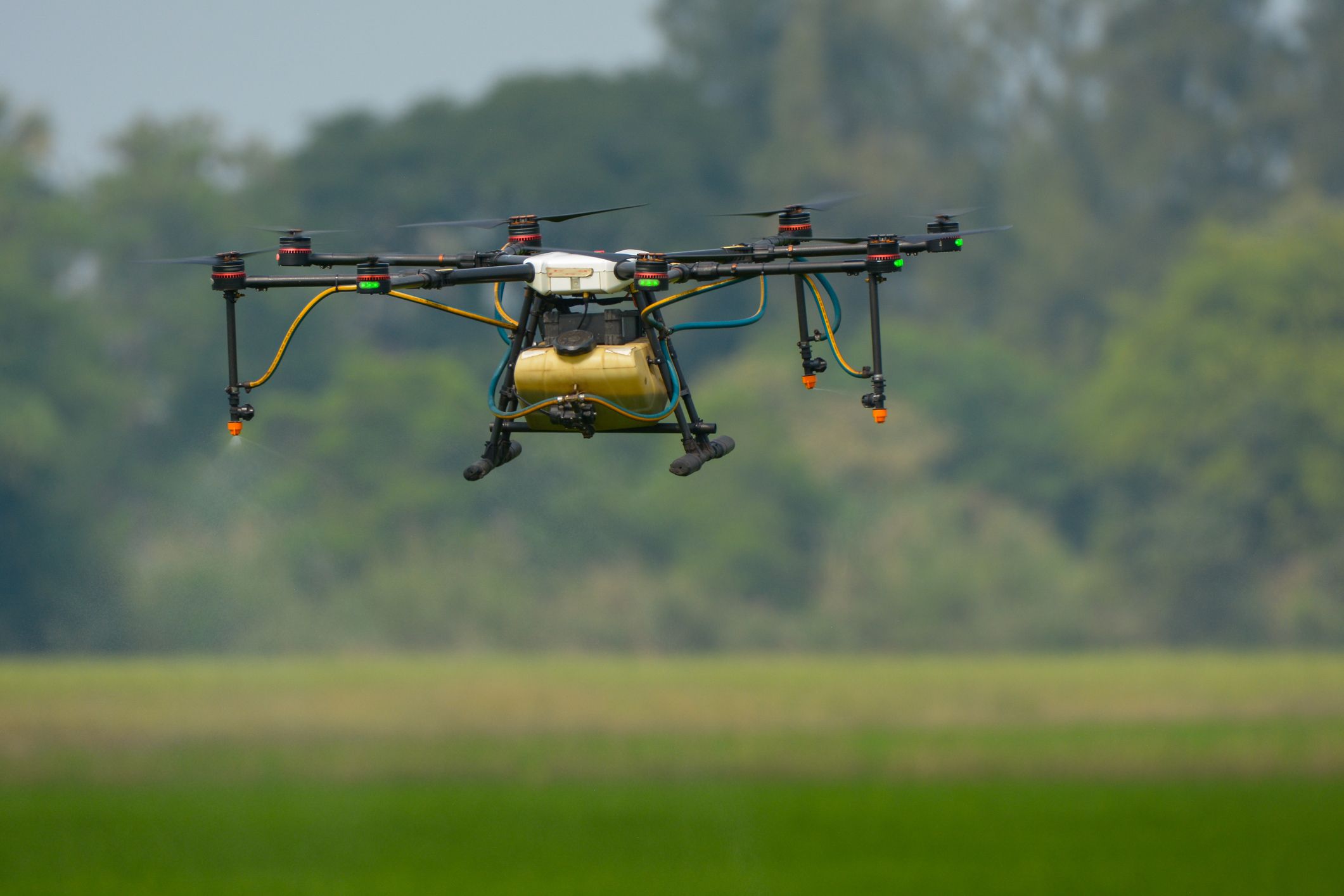
Drones are commonly used to collect this data because they can fly low, capture high-resolution imagery, and repeat flights consistently throughout the season. The result is a detailed view of crop performance across entire fields rather than isolated spot checks.
Spectral imaging does not replace agronomic knowledge. Instead, it provides a clearer starting point for understanding what is happening in the field.
Understanding NDVI and Vegetation Index Data
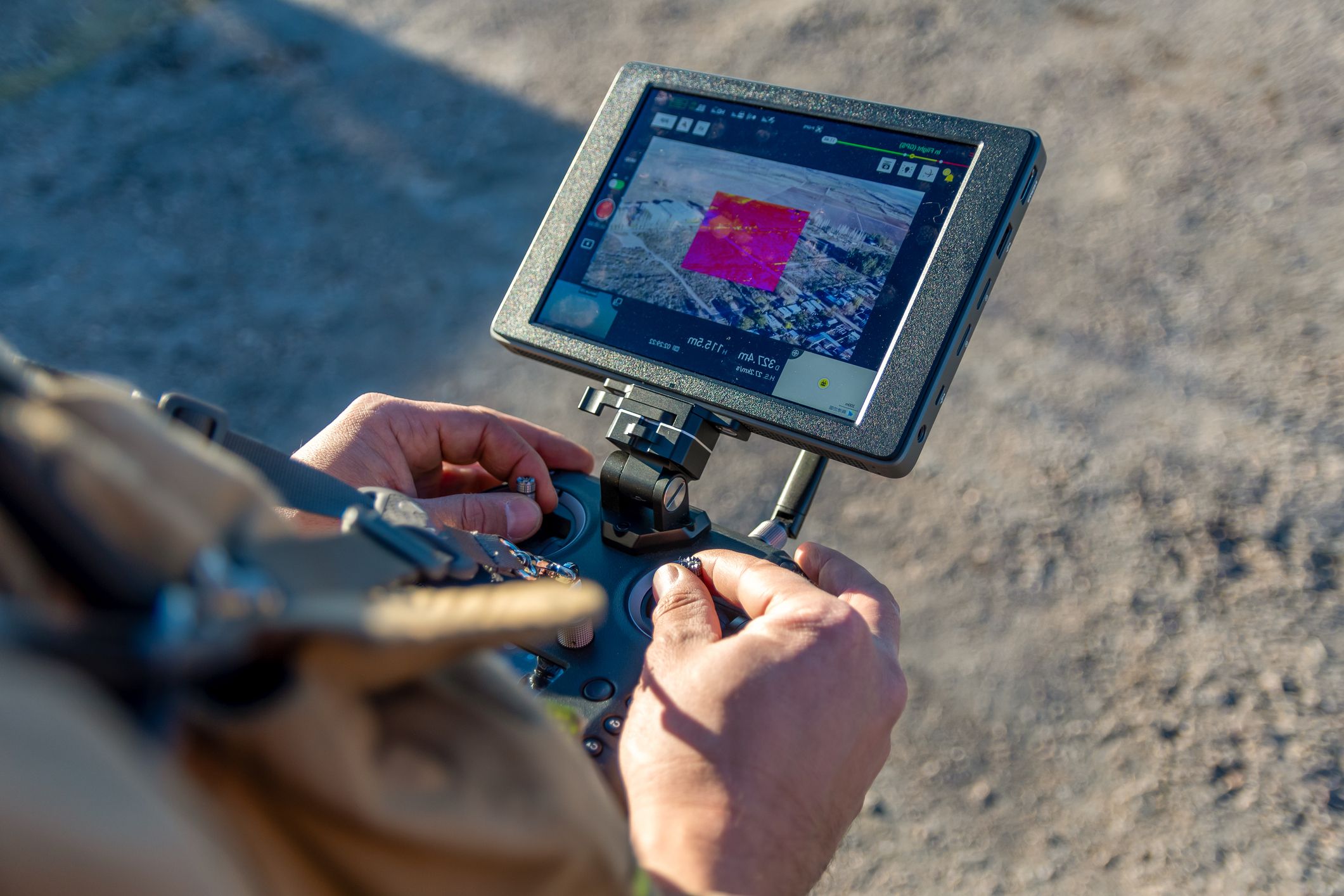
One of the most common outputs from spectral imaging is NDVI, or Normalized Difference Vegetation Index. NDVI measures how plants reflect near-infrared and visible light, which correlates closely with plant vigor.
Healthy, actively growing crops reflect light differently than stressed or underperforming plants. NDVI maps turn these differences into clear visual patterns, highlighting areas of strong growth and areas that may require attention.
Rather than guessing where issues might exist, NDVI helps narrow the focus to zones that matter most for yield improvement.
Identifying Crop Stress Before Yield Loss Occurs
Crop stress often develops before it can be seen with the naked eye. By the time discoloration, stunting, or thinning becomes visible, yield potential may already be reduced.
Spectral imaging helps identify early signs of stress related to:
- Nutrient availability
- Moisture imbalance
- Disease pressure
- Compaction or drainage issues
Early detection gives farmers more time to respond. Whether the solution is additional scouting, input adjustment, or monitoring, addressing stress early improves the chances of protecting yield.
Mapping Field Variability and Yield Potential
Few fields perform uniformly. Soil type, topography, drainage, and management history all contribute to variability across a single field.
Spectral imaging highlights these differences by showing how crops perform in specific zones rather than relying on field averages. This helps farmers understand where yield potential is strong and where limitations may exist.
By recognizing variability, growers can move away from one-size-fits-all decisions and toward more precise management strategies that support consistent performance.
How Spectral Imaging Supports Better Management Decisions
The real value of spectral imaging lies in how the data is used. When interpreted correctly, it supports better decision-making throughout the growing season.
Spectral imaging can help with:
- Prioritizing areas for in-field scouting
- Identifying zones that may benefit from adjustment
- Evaluating crop response to previous management actions
- Supporting timely intervention when conditions change
Instead of reacting after problems become visible, farmers can make proactive decisions based on real field data.
When Spectral Imaging Is Most Valuable
Spectral imaging can provide insight at multiple points during the season, but it is especially useful during key growth stages, including:
- Early crop establishment
- Mid-season growth evaluation
- Before in-season applications
- Investigating problem or low-performing areas
Timing matters. Collecting data when crops are actively growing helps ensure the information is relevant and actionable.
Spectral Imaging vs Traditional Field Scouting
Walking fields remains an important part of crop management. However, traditional scouting has limitations, especially in large or variable fields.
Spectral imaging complements field scouting by:
- Providing full-field coverage
- Identifying patterns not visible at ground level
- Reducing time spent searching for issues
Instead of replacing boots on the ground, spectral imaging helps direct attention to the areas that need it most.
Turning Drone Crop Data Into Yield Improvements
Data alone does not improve yields. The benefit comes from turning insight into action. Spectral imaging provides clarity, but decisions still require agronomic understanding and field knowledge.
When farmers use spectral data to guide scouting, prioritize inputs, and adjust management strategies, they are better positioned to protect yield potential and reduce surprises later in the season.
Used consistently, spectral imaging supports smarter decisions rather than reactive responses.
Final Thoughts on Spectral Imaging and Crop Yields
Spectral imaging does not guarantee higher yields, but it improves the quality of decisions that influence yield outcomes. By revealing crop stress early, highlighting variability, and supporting data-driven management, it helps farmers stay ahead of issues that can limit performance.
As part of a balanced crop management approach, spectral imaging provides valuable insight that supports better planning, more efficient input use, and stronger yield protection across the season.